
Whatever your motivation may be, starting a security company is not a glamorous endeavor, but it is a rewarding one. Like anything in life, your perspective can be the difference between fulfillment and misery.
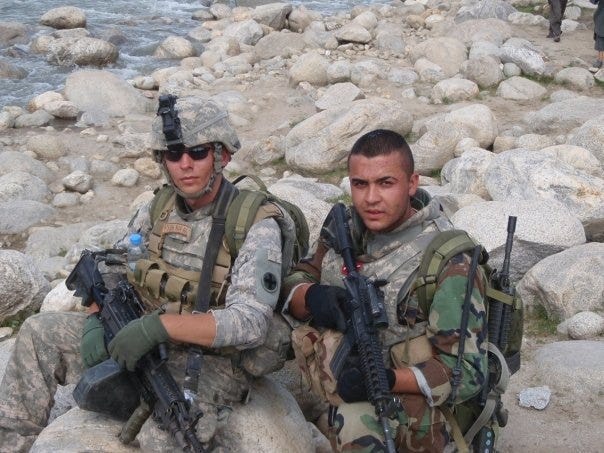
I stumbled into this line of work by accident, but looking back, it feels like it was always heading this way. Every job, every fire-fight, every sleepless night working as a local national interpreter and fixer for the U.S. Military, including time with some high-speed and intelligence units, shaped how I see work, people, and responsibility. Long before that, as an eight-year-old kid, I saw what real violence looked like. I was on the business end of a gun, watching my father get butt-stroked by IRGC-backed militias for nothing more than being Pashtun. Those moments don’t leave you. They carve something into you that changes your sense of purpose, and how you see fear, power, and control.
For me, Mayer Security Services started from failure. A permanent physical limitation from an IED blast in June of 2009 stayed with me for years. I managed to push through it until a decade later, when I refractured the same spot during the Marine Corps Pre-Scout Sniper Course at Camp Lejeune, North Carolina. That moment hit harder than any explosion.
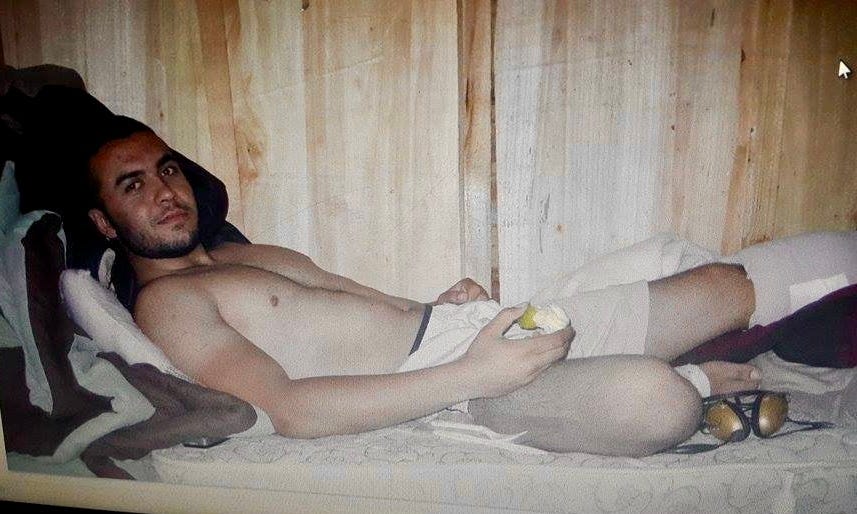
Failing that course didn’t just mean I wasn’t going to be a HOG, a Hunter of Gunmen, the title given to Marine Corps snipers who pass. It meant the door to my dream of becoming a CIA Paramilitary Officer was closed too. That realization took me to a dark place. When the thing you’ve built your life around disappears, you start questioning everything.
When you’re in or around the military, the idea of monetizing your experience feels dirty. Like you’re cashing in on something sacred. And maybe that instinct is right. But it doesn’t mean you can’t use what you’ve learned to build something valuable on the outside. You can take the same skills in discipline, awareness, and calm under pressure, and use them to build a business without losing your integrity or trying to impress civilians who wouldn’t know the difference. The world already has enough guys telling hyperinflated sea stories and calling it leadership or valor. What I’m doing isn’t Hollywood quality, it’s just real work from someone trying to make something of what’s left.
My security company license came through when I was maxed out on credit cards and sitting at negative $254 in my bank account. I had nothing but a piece of paper that said I could provide security services anywhere in Texas. That was all I needed. From that point forward, it was up to me and grit to turn that license into a living.
Mayer Security Services didn’t start with investors or business mentors. It started with failure, stubbornness, and a refusal to stay down. Over time it became more than a company. It became a way to rebuild my life and test everything I had learned from years of watching people at their best and worst, in war and in peace.
Here, I’ll write about the real world of private security. The licensing maze. The liability traps. The challenges of managing people who are armed but still human. The slow grind of building trust with clients who’ve seen it all. I’ll share the mistakes too, because there’s no manual for this kind of work.
And then there’s the tacticool culture, which has its place but often misses the mark in private security. Some guys come out of the military or law enforcement world and think the same look and mindset will translate perfectly. It usually doesn’t. When you’re dealing with regular people, that kind of presence can be more intimidating than professional. Corporate clients, healthcare administrators, and property managers want confidence and control, not intimidation.
That image might get attention online, but in this industry, it can hold you back more than it helps you. Success comes from balancing competence with composure, and learning how to make your tactical experience an asset instead of a barrier. I’ll also talk about how veterans can transfer their military skills into private security the right way, building credibility through professionalism, not performance. There’s a fine line between being capable and being misunderstood, and too many transitioning veterans don’t know where it is. That was me too, until I got a few backhanded slaps in the form of offer rejections.
I’m not writing from the top of any mountain. I’m still climbing, still learning how to balance principle with practicality. If you’re trying to do the same, maybe you’ll find something here worth reading.
Subscribe if you want honest insight from someone still in the field, figuring it out as he goes, same as almost everyone else.
Still in the fight, just a different kind.
