

Most people train for the moment the fight becomes obvious.
That is already too late.
In real-world violence, especially at close range, the person initiating the attack usually controls the first move. He chooses the time, the distance, and the deception. By the time the threat becomes undeniable, the defender is often already reacting from behind.
That is why I believe awareness beats speed.
This does not mean speed is irrelevant. Speed matters. Reaction time matters. Technical proficiency matters. But none of those things replace the value of recognizing danger before it fully presents itself.
A fast draw is useful. A fast response is useful. But if the first moment you truly register the threat is when the weapon appears, you are already playing catch-up.
The more valuable skill is recognizing what happens before the obvious action.
Violence often gives signals before it fully unfolds. Sometimes they are subtle. Sometimes they are easy to dismiss. But they are often there.
Changes in hand movement.
Unnatural facial tension.
Repeated glances.
Shifts in speech or tone.
Checking or guarding a concealed area.
Changes in posture, breathing, or distance.
That early recognition buys time. In a violent encounter, time is everything.
This is exactly why I built the Cross Failure Drill.
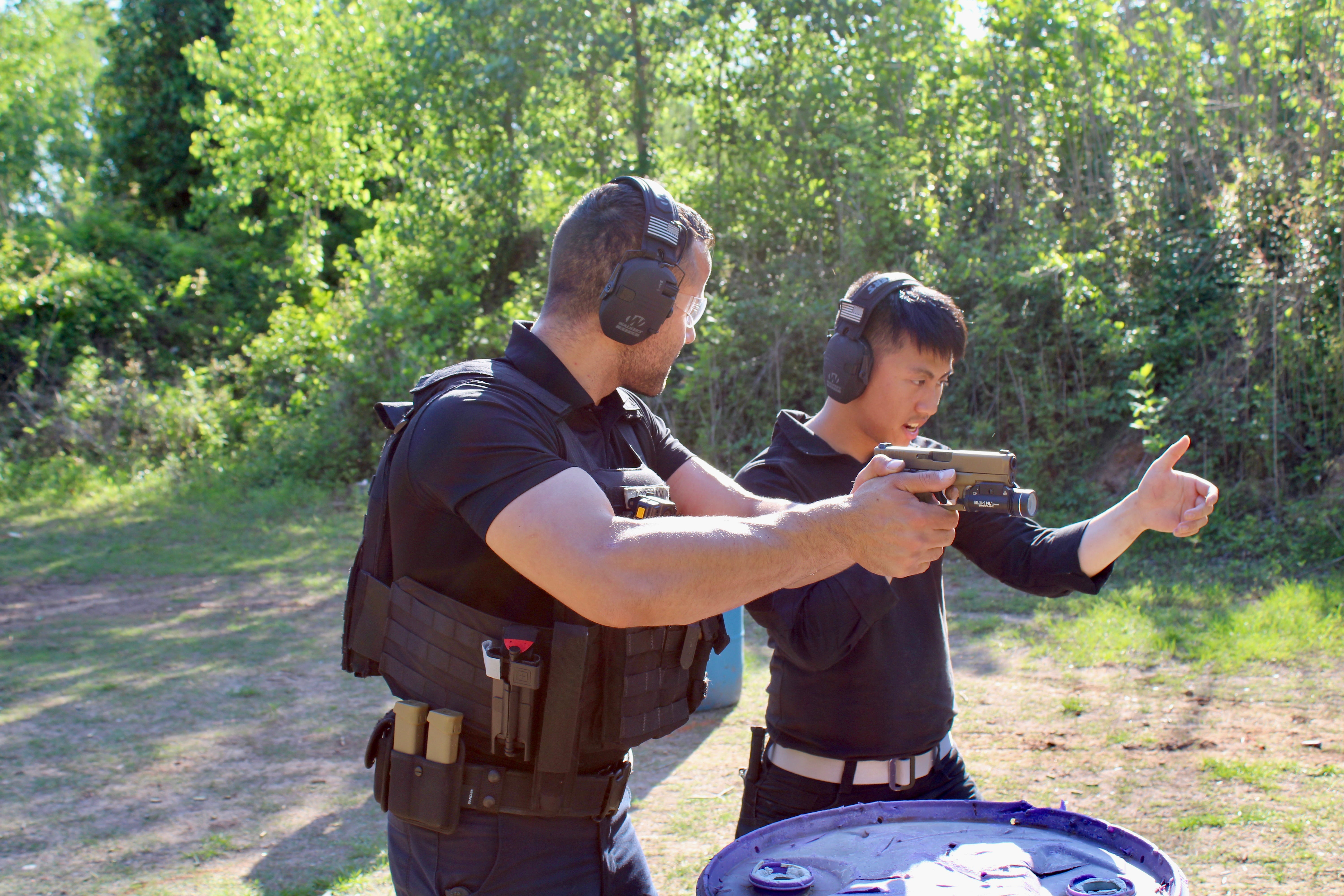
The Cross Failure Drill is meant to reflect the kind of short-range, compressed timeline that defines many real confrontations. It pushes the shooter to work from concealment, engage immediately, begin from an imperfect position, stabilize the gun under pressure, and transition between threats without wasting movement.
It is not a vanity drill. It is not there to make people feel fast on a square range. It is there to force execution under pressure while reinforcing a more important truth. By the time you are shooting, the problem already started.
That is why the drill is only the physical layer of the concept.
The deeper lesson is this.
The fight begins before the first shot.
Before the draw.
Before the overt act.
Before most people mentally give themselves permission to act.
That is why good training should not only develop mechanics. It should develop perception.
Situational awareness is not fear. It is not living in a constant state of anxiety. It is disciplined observation. It is being present enough to notice when something no longer fits the environment.
The goal is not to be paranoid.
The goal is not to be late.
Too many people train only for the visible problem. But the visible problem is often the last stage of the threat, not the first. By then, the attacker has already made key decisions and seized initiative.
The person who is aware earlier has more options.
More time.
More control.
A better chance of survival.
Speed matters.
But awareness gets there first.
And the Cross Failure Drill is one way I train that reality into performance.
Originally published on Mayer Security:
https://www.mayersecurity.com/awareness-beats-speed-security-drill-training/